Insights
Practical research for better AI-assisted fiction.
-
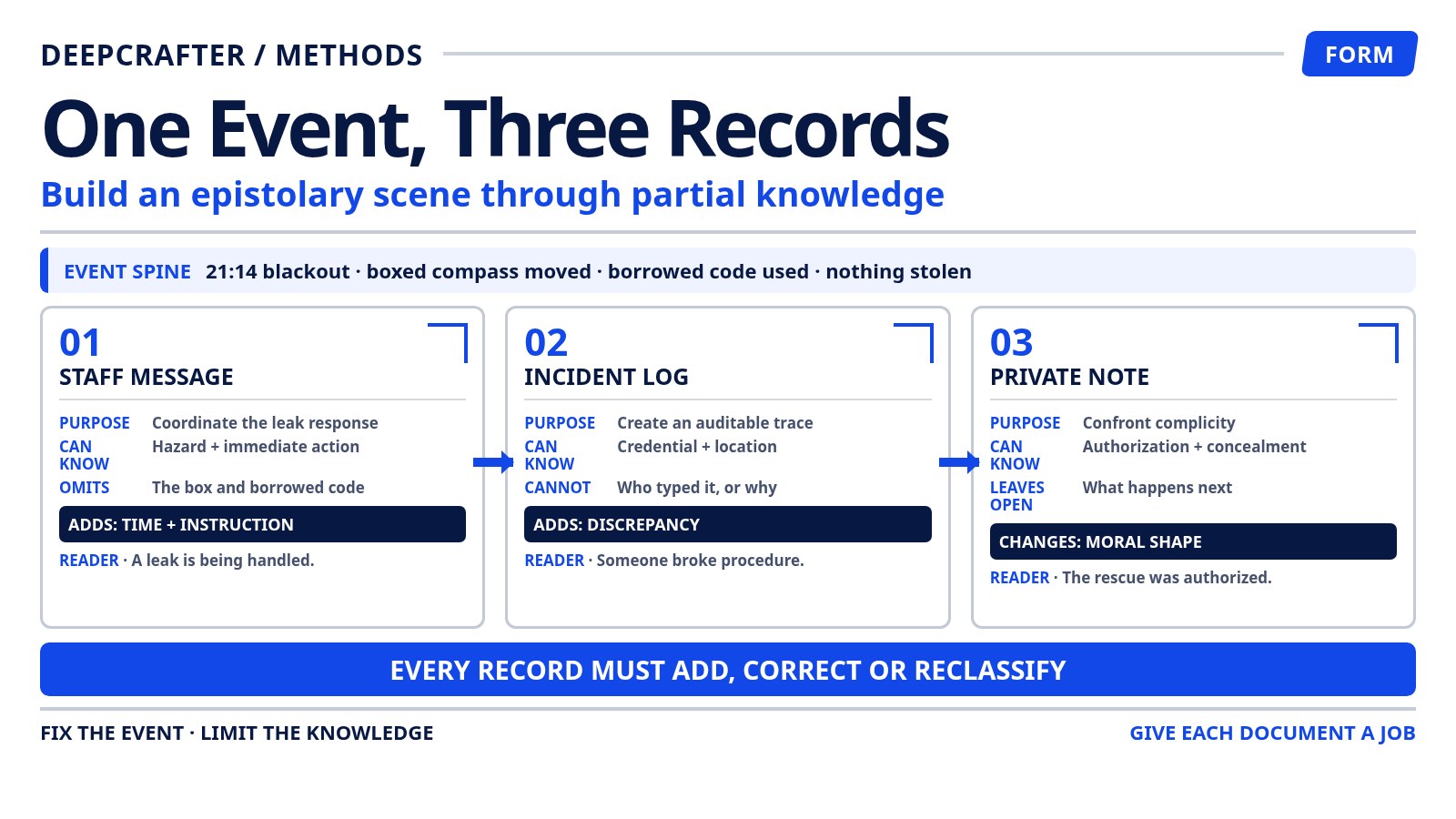
One Event, Three Records: Writing an Epistolary Scene
Build an epistolary scene by fixing one event, limiting each record’s knowledge, giving every document a motive and ordering a change in the reader’s interpretation.
-
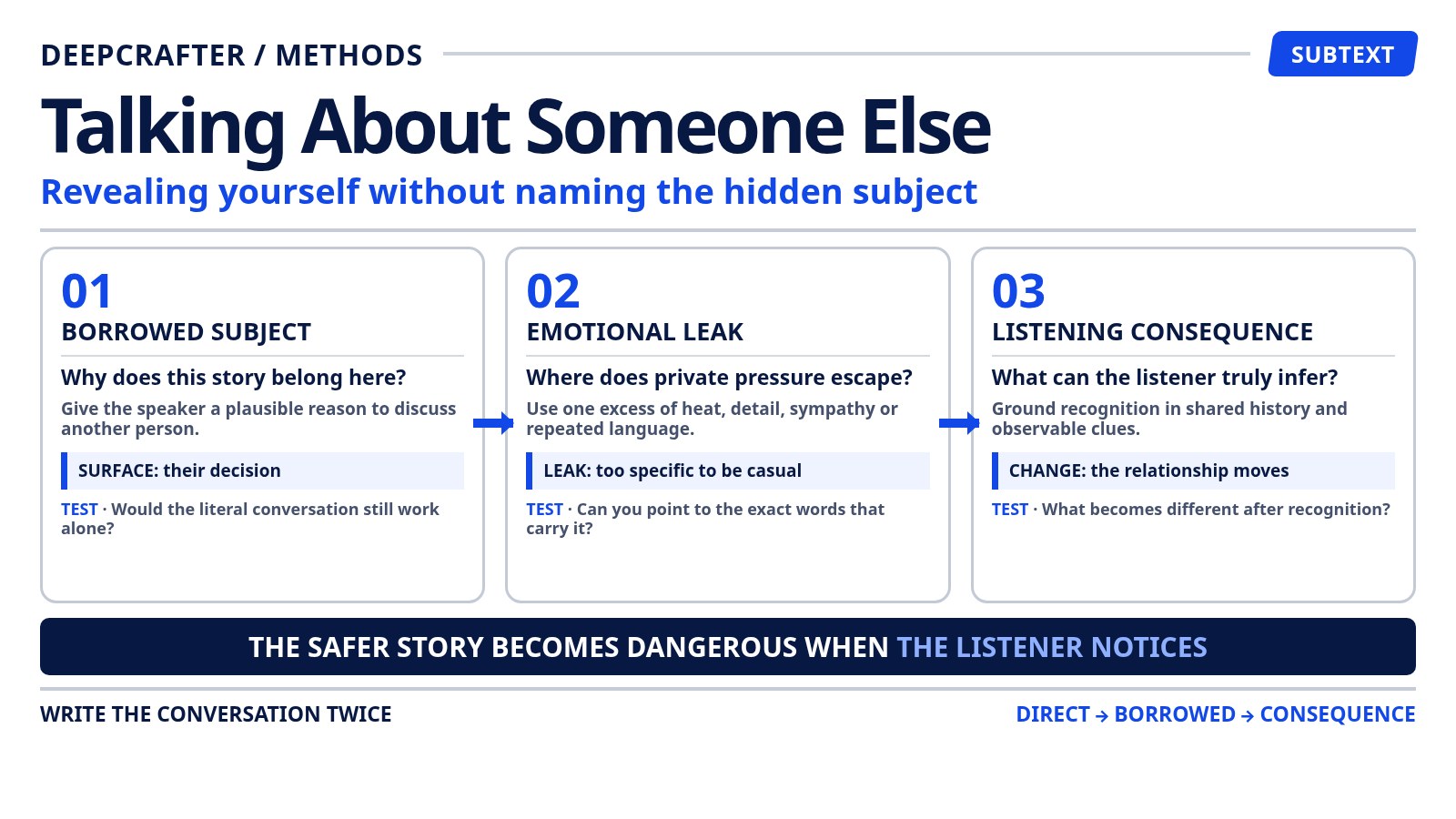
Talking About Someone Else, Revealing Yourself
A three-question method for writing indirect confession: choose a plausible borrowed subject, let one emotional pressure point leak, and limit the listener to what they can reasonably know.
-
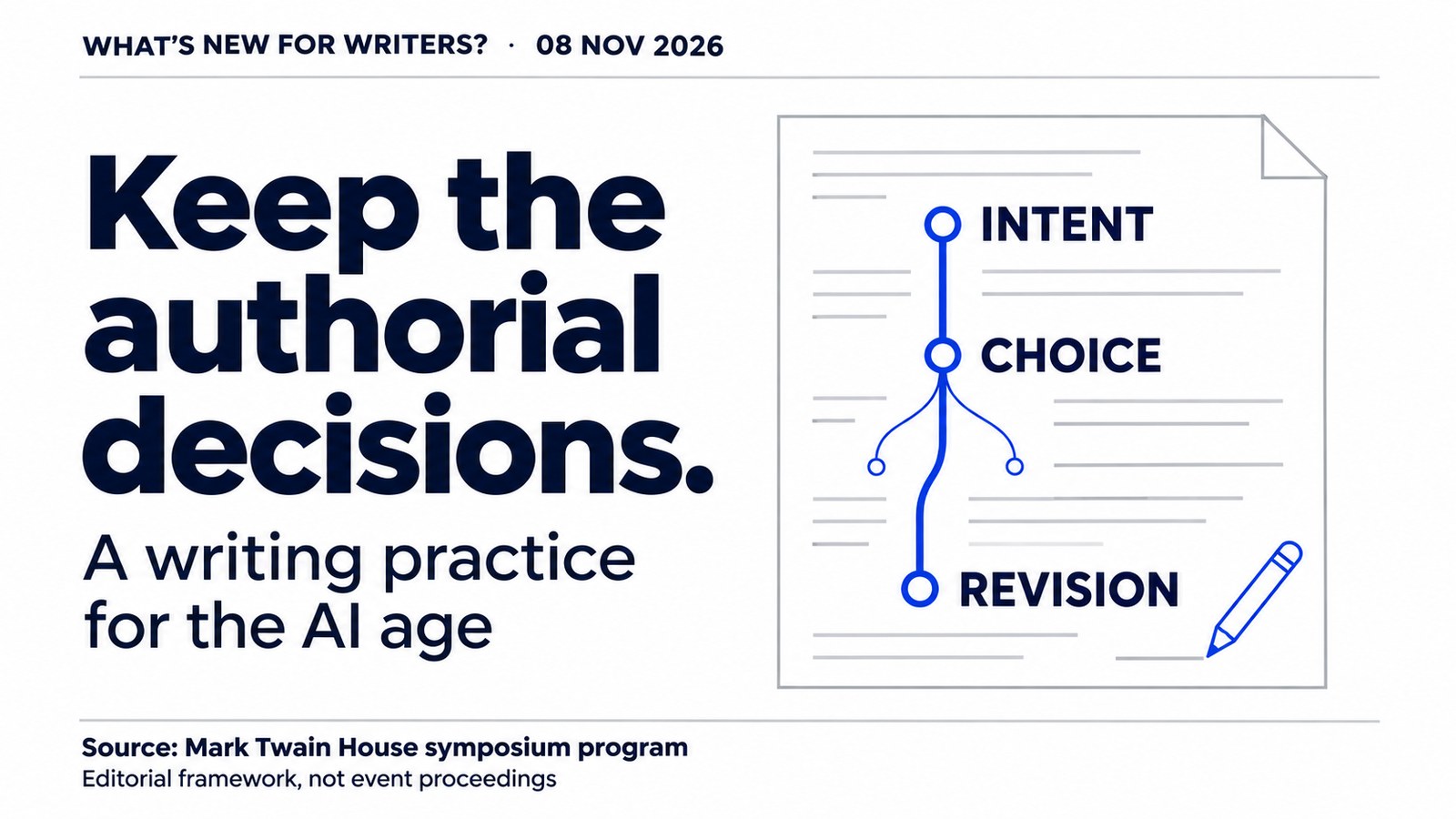
Keep the Authorial Decisions
The Mark Twain House AI-writing symposium agenda prompts a practical question: how can assistance strengthen, rather than replace, a writer’s judgment?
-
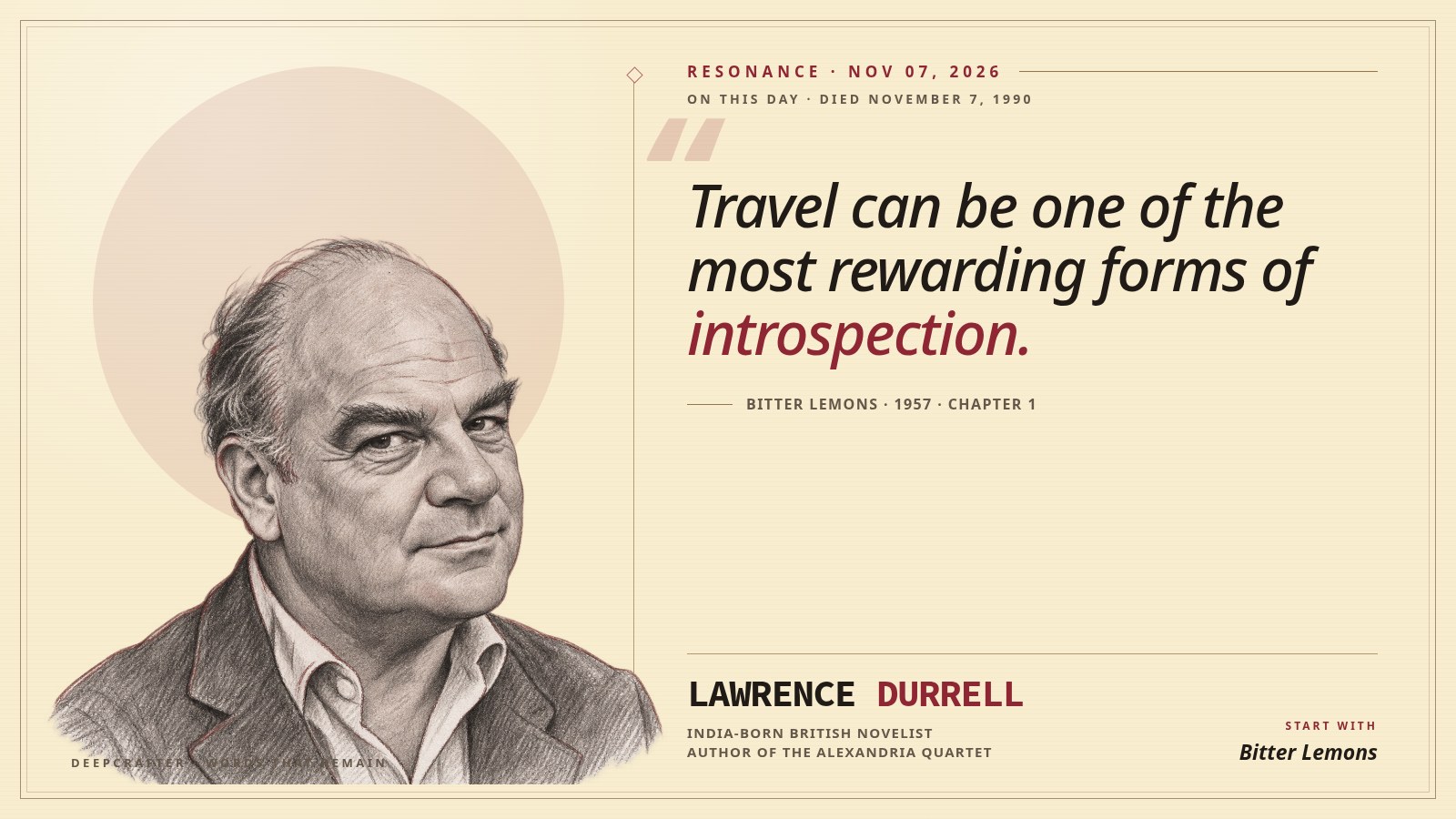
The Places That Look Back: Lawrence Durrell and the Geography of Memory
On Lawrence Durrell’s death anniversary, follow the writer of Justine and Bitter Lemons through place, memory, viewpoint and the politics of travel.
-
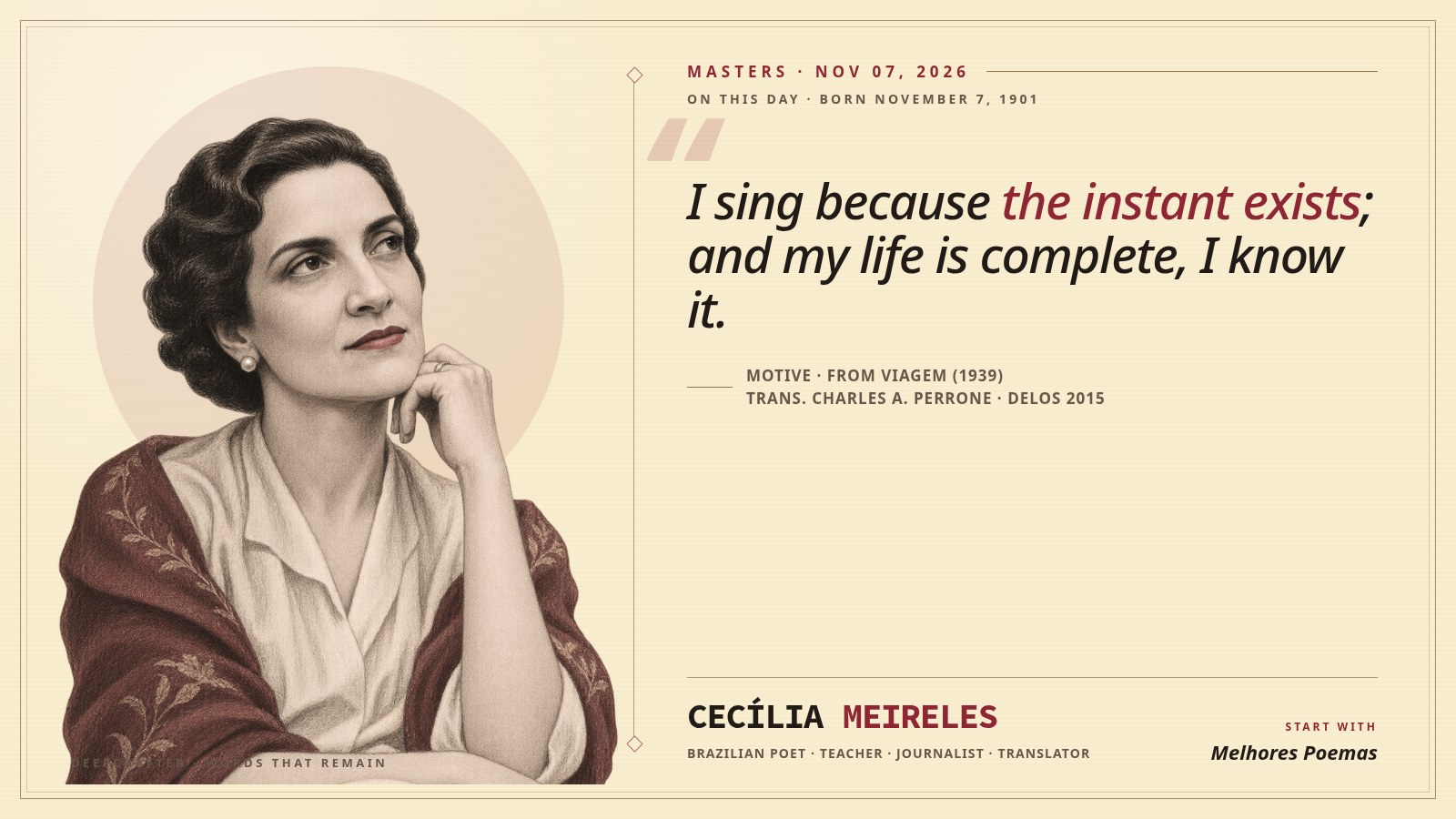
The Instant That Learns to Sing: Cecília Meireles and the Music of Passage
On Cecília Meireles’s birthday, follow the Brazilian poet, teacher and journalist from fleeting lyric to historical chorus and public education.
-
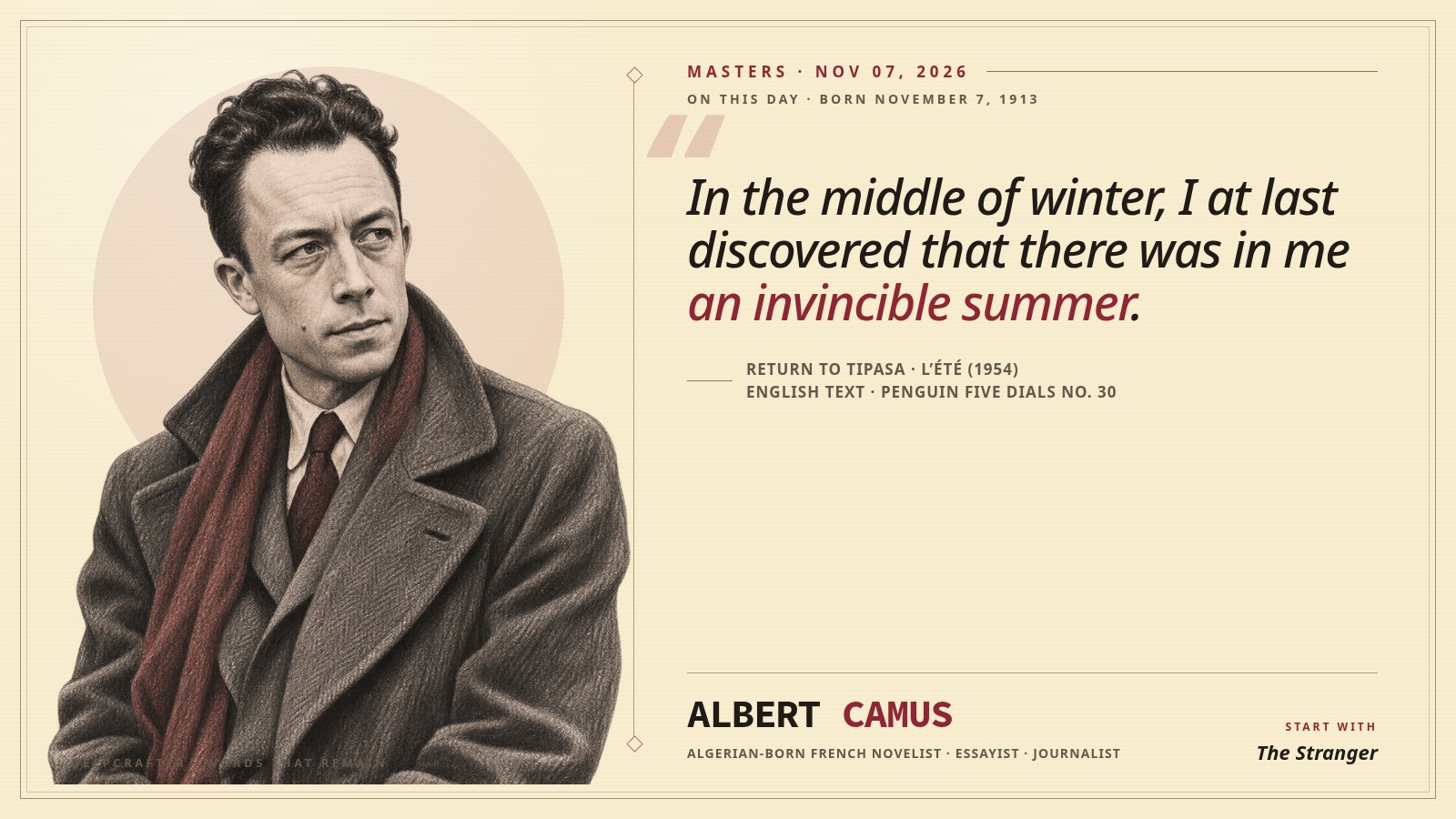
The Summer That Refuses to Die: Albert Camus and the Work of Decency
On Albert Camus’s birthday, follow the writer of absurdity and revolt from Algerian light to the collective labor of The Plague.
-
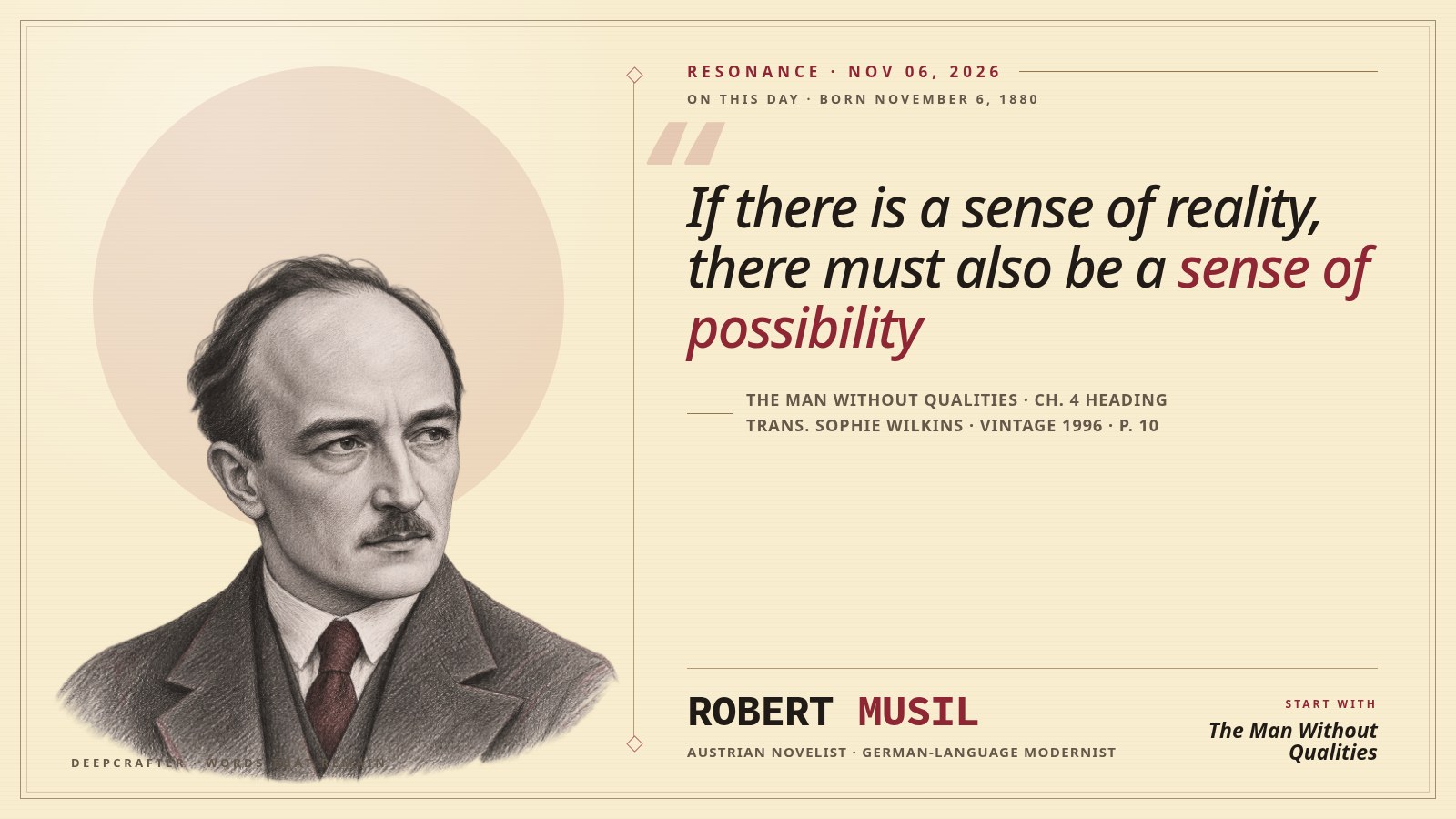
The Door Left Open: Robert Musil and the Sense of Possibility
On Robert Musil’s birthday, follow the engineer of uncertainty from Young Törless to the unfinished modernist world of The Man Without Qualities.
-

Help the Right Reader Find Your Book
New metadata research offers a timely prompt to review a book’s identity, description and discovery signals—with a practical audit for writers and publishers.
-
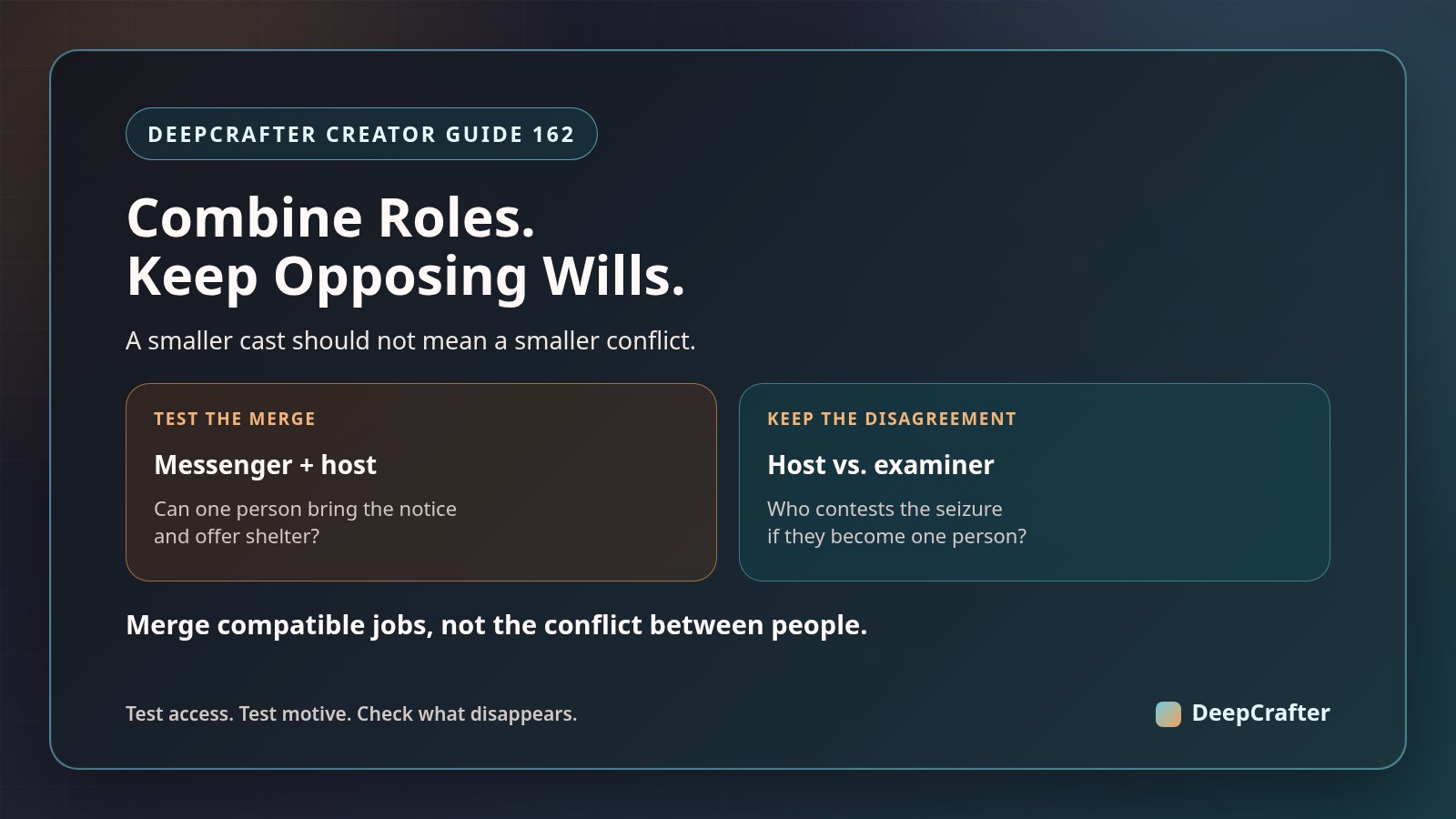
Combine Roles, Not Opposing Wills
A seven-step method for combining minor characters without inventing impossible access, breaking motives or erasing the disagreement that powers a scene.
-
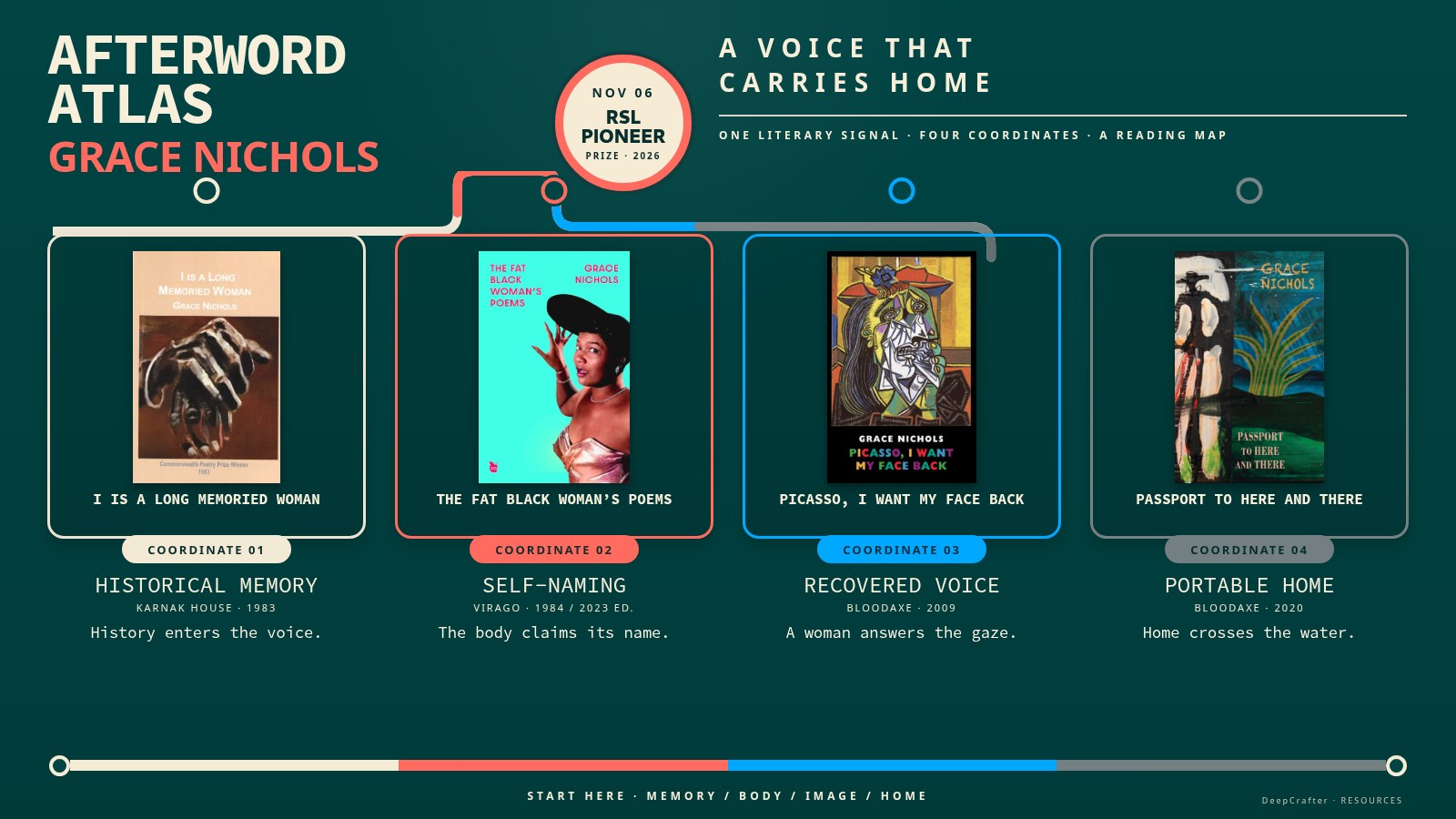
A Voice That Carries Home: Four Books by Grace Nichols
A four-book route through Grace Nichols’s poetry: historical memory, self-naming, recovered voice and the portable meaning of home.
-
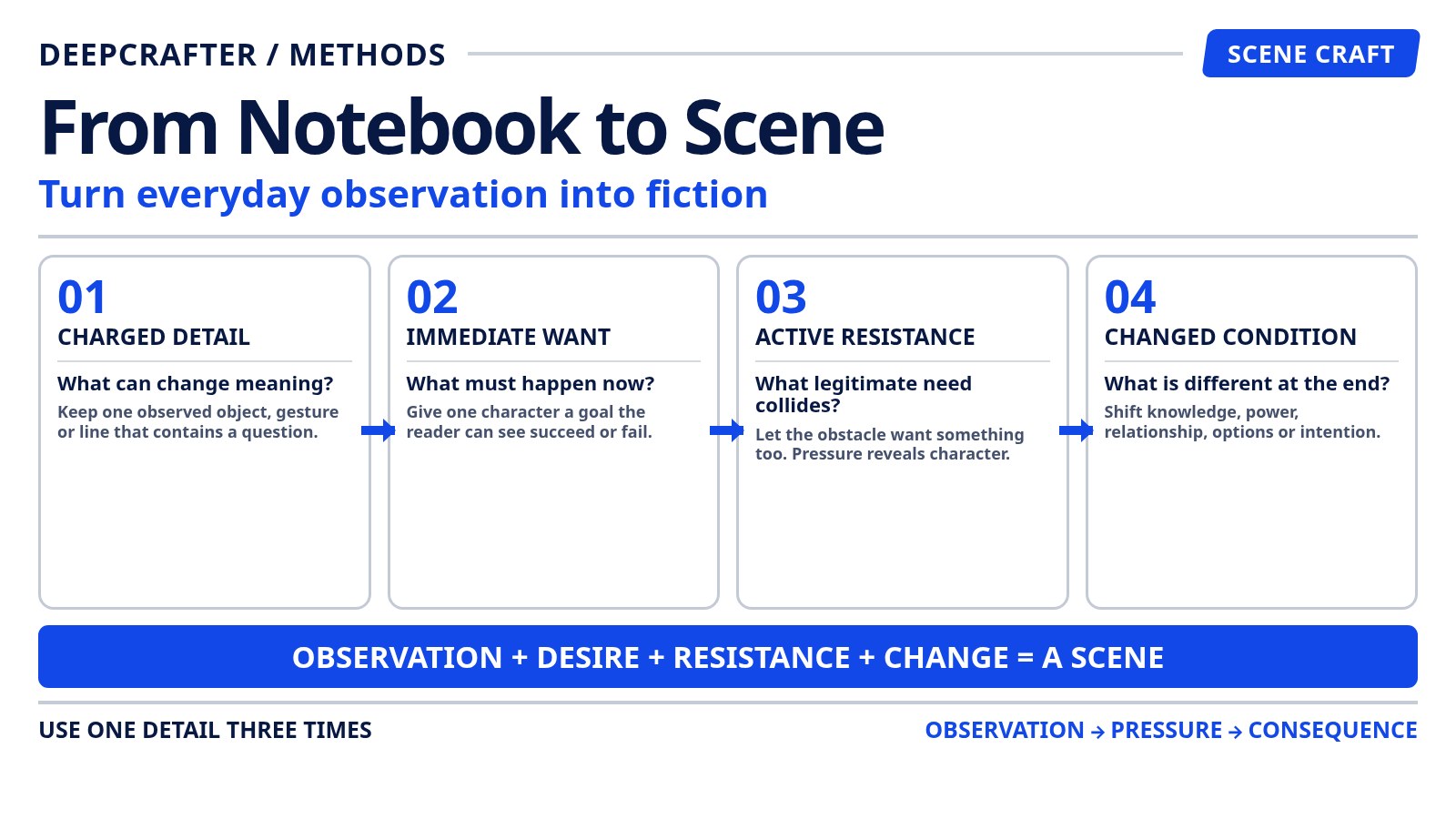
From Notebook to Scene: Turn Everyday Observation into Fiction
A four-step method for turning an observed detail into a scene with desire, resistance and meaningful change—plus an original before-and-after example.
-
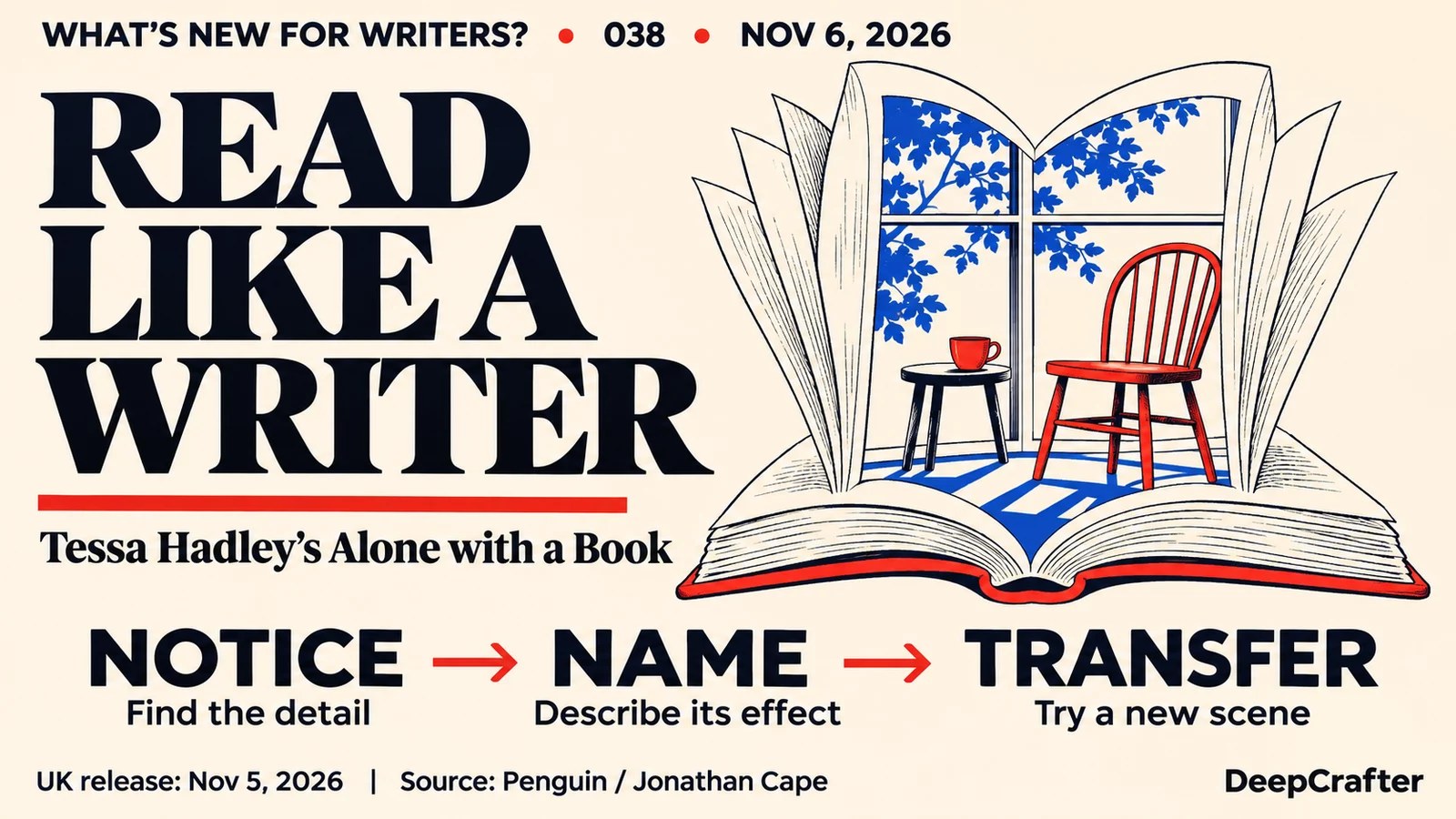
Reading Is a Way of Learning to See
Tessa Hadley’s new essay collection prompts a practical reading-to-writing exercise: notice a detail, name its effect, and transfer the craft choice to a new scene.