Inside Marina Abramović’s Literary Bookshelf: Five Books to Read Before Her 80th Birthday
Five books Marina Abramović discussed or recommended, with verified reading evidence, English editions and a practical route ahead of her 80th birthday.
Inside Marina Abramović’s Literary Bookshelf: Five Books to Read Before Her 80th Birthday
The Artist’s Library #002 · The Books Artists Keep
A memoir of young friendship. Three poets writing across borders. A missing cat, an unreachable authority, and a man whose kindness unsettles everybody around him. Marina Abramović’s literary reading offers several doors into a winter book pile—and you do not need to know the history of performance art to walk through any of them.
On November 30, 2026, Abramović turns eighty. The date is also the announced closing day of Seven Deaths at Cisternerne in Frederiksberg, Denmark. The museum has scheduled a birthday finissage that day. Ahead of that double occasion, this edition of The Artist’s Library follows her documented reading, rather than attempting another account of her career. Museum event
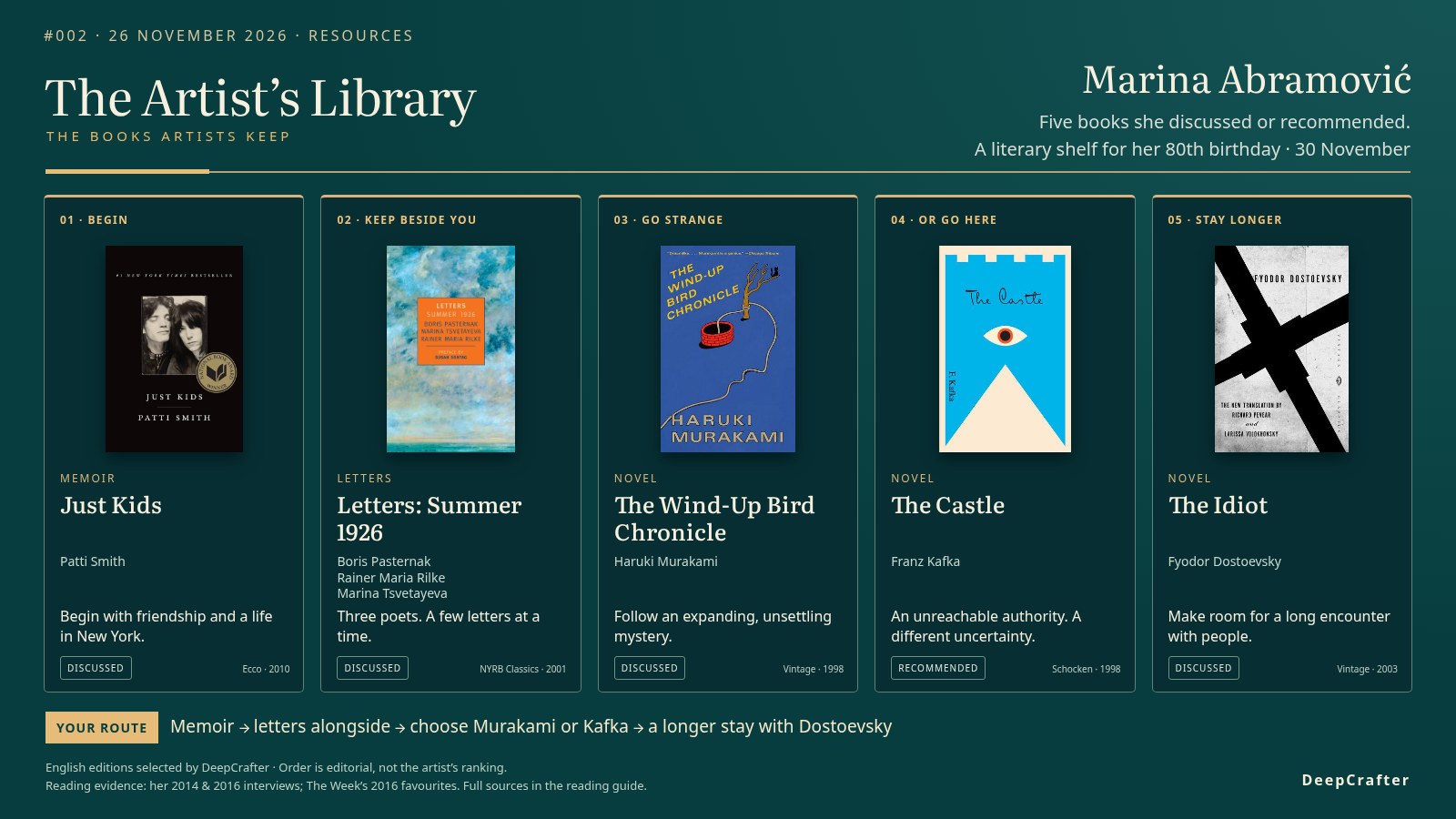
Here are five named literary books she has publicly discussed or recommended: two works of literary nonfiction and three novels. The order below is our suggested reading route, not Abramović’s ranking. The English editions are practical choices for readers today, not assertions about the copies she originally read.
The artist as a reader
In a 2014 interview, Abramović described reading several books on different subjects at once. Two years later, she distinguished between reading digitally while travelling and turning physical pages at home. That is a useful invitation to approach this shelf without treating it as a syllabus: start with the form you want, and allow another book alongside it. 2014 interview, archived by Sean Kelly; 2016 interview, archived by Lisson Gallery, PDF p. 93
We use Discussed when her own account establishes reading and a response, and Recommended for a book she explicitly included among her favourites. These are different kinds of evidence, not scores. Each entry separates that relationship from our own reading suggestions.
1. Begin with a life: Patti Smith, Just Kids
Relationship: Discussed. In her 2016 By the Book interview, Abramović spoke warmly about reading Smith’s memoir and its account of an earlier New York art scene. Interview, PDF p. 93
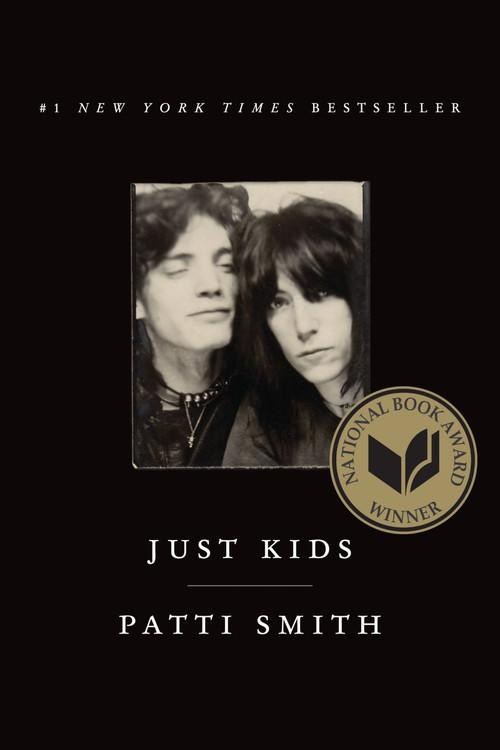
Smith’s story of her relationship with Robert Mapplethorpe gives this shelf its most direct human entrance. Begin here if you want people and places before a large fictional world. A memoir offers the pleasure of following a particular voice without first having to learn a novel’s rules.
For a first reading, keep a small list of places rather than a large list of celebrated names. Notice where a relationship can happen: a room, a street, somewhere to work, somewhere to return. This is an editorial way of entering the book, not a method attributed to Abramović. It turns the reading into an encounter with a lived environment instead of a hunt for famous cameos.
Best for: readers who want friendship, youth and an accessible narrative beginning. Reading threshold: relatively welcoming; take it in sustained chapters rather than searching for isolated advice.
Edition to find: Ecco paperback, 2010, ISBN 9780060936228; English original, no translator. Match the paperback by ISBN rather than by page count, which differs across listings. Library edition record; edition and jacket
2. Read in small sittings: Letters: Summer 1926
Relationship: Discussed. Abramović recalled receiving this correspondence as a gift from her mother, and later receiving a new edition from Susan Sontag. Interview, PDF p. 93
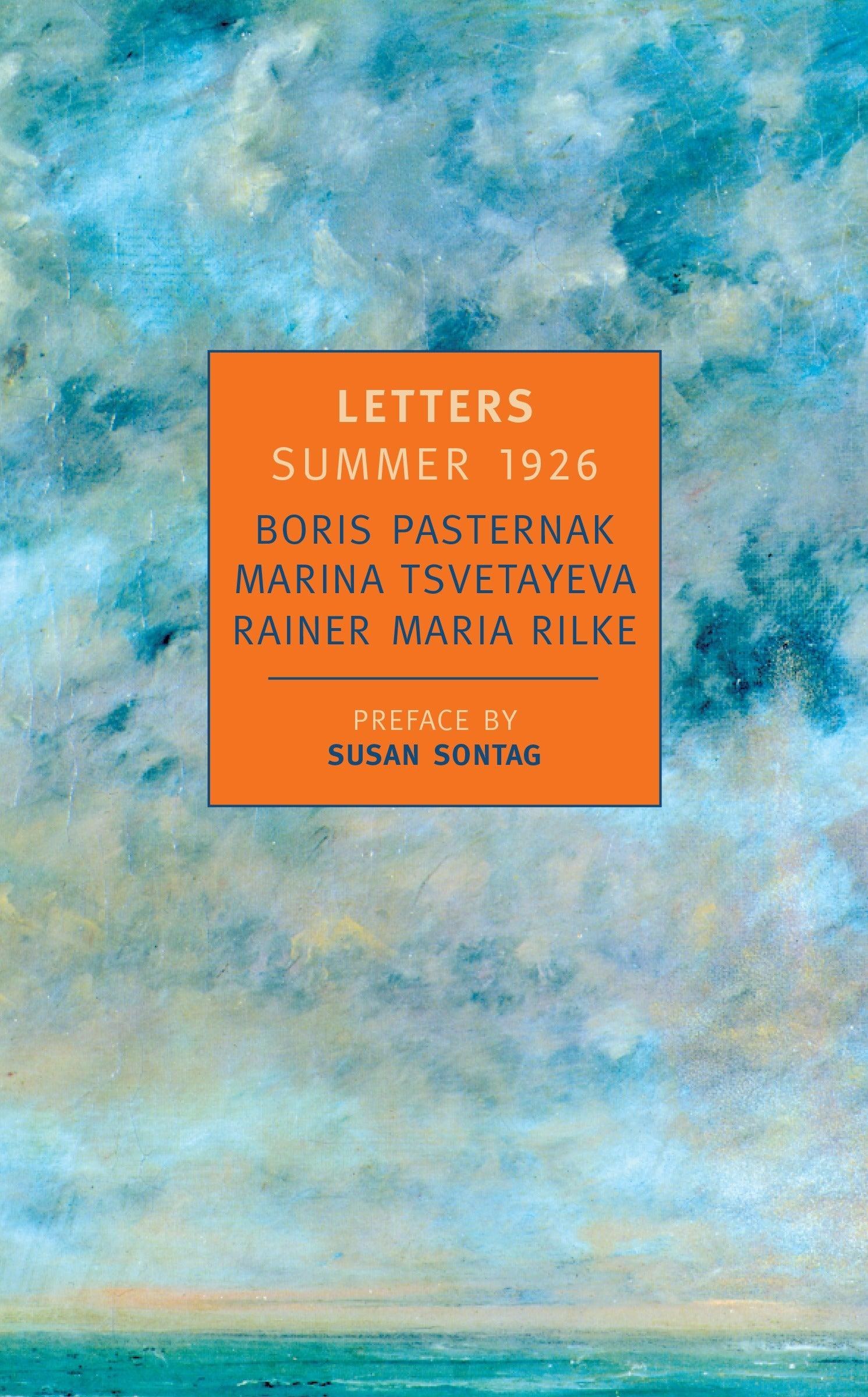
Boris Pasternak, Rainer Maria Rilke and Marina Tsvetayeva are the three correspondents. The letters belong to the summer of 1926; the NYRB reading edition is a later publication. Three voices make this an especially appealing companion book: you can read a short exchange, close it, and return without losing the larger conversation.
Start with the dates and names at the head of each letter. Then ask a simple question: what does this person most want the other person to understand? Let that question carry you past any unfamiliar literary references. You can investigate those later. A letter is addressed to somebody, and remembering its recipient often makes its intensity easier to follow.
Best for: readers who like intimate voices and books they can keep beside another read. Reading threshold: moderate; the changes of correspondent ask for attention, but you need not finish the volume quickly.
Edition to find: NYRB Classics paperback, 2001, ISBN 9780940322714. Publisher-listed translators: Margaret Wettlin, Walter Arndt and Jamey Gambrell; preface by Susan Sontag. Check a library or bookseller as well as the publisher: a catalogue listing does not guarantee immediate stock. Publisher’s edition and cover
3. Follow the mystery: Haruki Murakami, The Wind-Up Bird Chronicle
Relationship: Discussed. In the 2014 interview, Abramović said she had just finished this novel and responded enthusiastically to its mixture of ordinary and supernatural experience. Interview
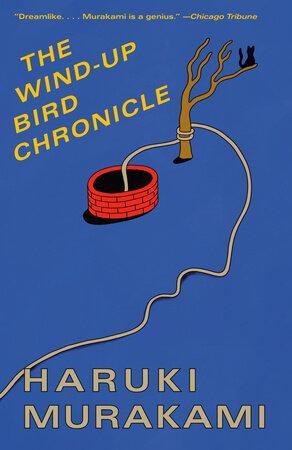
Toru Okada’s search for a missing cat opens into a much larger, stranger story. Choose this novel when you want the everyday to become uncertain without immediately surrendering the pleasures of a recognisable setting. It is a substantial commitment, so make it the main book on your table rather than an obligation to squeeze between shorter tasks.
Our suggested reading aid is modest: note an unanswered question only when it genuinely interests you. Do not turn every unfamiliar detail into a puzzle you must solve. A useful reading record might contain five questions after a hundred pages, not five questions after every page. Leave room for atmosphere as well as explanation.
Best for: readers happy to follow an expanding mystery. Reading threshold: high in length and emotional intensity; the book includes disturbing violence and wartime material.
Edition to find: Vintage paperback, 1998, translated by Jay Rubin, ISBN 9780679775430. The publisher lists 624 pages. This specifies the English reading text being recommended here; it does not identify Abramović’s copy. Publisher’s edition and cover
4. Take the stranger route: Franz Kafka, The Castle
Relationship: Recommended. Abramović included Kafka’s unfinished novel in her six favourite books for The Week in 2016. Her published selection
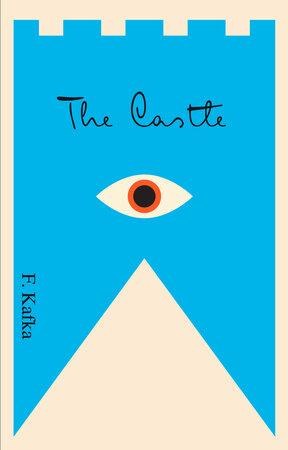
K. arrives in a village and struggles to establish his position in relation to the castle and its inaccessible authority. The premise is easy to grasp; following its complications requires a different kind of patience. If a conventional mystery encourages you to expect an answer, this book asks you to stay with the experience of seeking one.
Read it after Murakami if you enjoy contrasting two kinds of uncertainty. Or choose it instead of Murakami if a shorter volume is more realistic for your month. Keep an eye on the difference between an instruction, a message and a rumour. That simple distinction can make the exchanges easier to follow without reducing them to a single explanation.
Best for: readers interested in unsettling situations and comedy that does not promise comfort. Reading threshold: demanding in a different way from a very long novel. Knowing in advance that it is unfinished helps set a fair expectation.
Edition to find: Schocken paperback, 1998, translated by Mark Harman, ISBN 9780805211061. This is our chosen English edition; the edition linked in Abramović’s original list was an Oxford edition. Her recommendation establishes the work, not a preference for Harman’s translation. Publisher’s edition and cover
5. Give it room: Fyodor Dostoevsky, The Idiot
Relationship: Discussed. Abramović named The Idiot when asked about books that had made a significant impression on her. 2014 interview
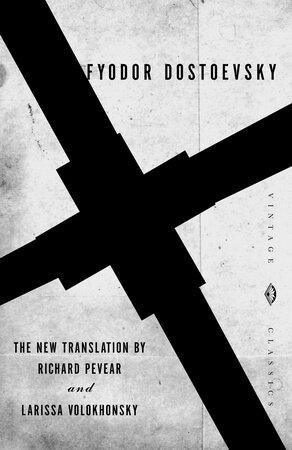
Prince Myshkin enters a social world in which innocence and kindness do not make human relationships simple. This is the book to choose when you want a crowded, sustained encounter with people: how they judge one another, misunderstand one another and become caught in competing desires.
Leave it until later if the prospect of a long Russian novel currently makes reading feel like homework. There is no prize for beginning with the hardest-looking spine. When you do begin, make a short character key and allow for the different forms of a name. A practical aid that removes friction is more useful than a grand promise to understand every argument immediately.
Best for: readers ready for a long, emotionally demanding novel. Reading threshold: high; reserve regular, unhurried sessions.
Edition to find: Vintage paperback, 2003, translated by Richard Pevear and Larissa Volokhonsky, ISBN 9780375702242. The publisher lists 656 pages. Publisher’s edition and cover
A reading route you can actually use
📚 The easy entrance: begin with Just Kids. Keep Letters: Summer 1926 beside it, reading a few letters between longer sessions. These two books offer different forms of closeness: a remembered relationship and a conversation preserved in correspondence.
The novel branch: choose The Wind-Up Bird Chronicle for an expansive, strange journey, or The Castle for a more concentrated encounter with uncertainty. You do not have to read both before moving on. Choosing one deliberately is a better plan than stacking two unfinished commitments.
The longer stay: make The Idiot a separate reading project. Give it the space you would give any substantial novel, rather than treating it as the final box to tick on a celebrity list.
For this week, choose just one opening session: a chapter, a handful of letters, or the beginning of a novel. At the end, write one sentence about whether you want to return. A useful reading map should help you start, not make your unread shelf feel larger.
The poetry margin—and the limits of a bookshelf
Two additional literary leads deserve to remain visible. Abramović spoke admiringly of Marina Tsvetaeva’s writing in 2014, without identifying a particular collection. In 2016 she also singled out a haiku by Arakida Moritake. These are genuine reading leads, but they do not establish that she recommended a specific English poetry anthology. We therefore keep them as author/poem-level notes rather than inventing two extra book recommendations. 2014 interview; 2016 interview, PDF p. 93
Likewise, a book described as next on a reading list is not proof of completion, and a boxed set on a shelf is not automatically a recommendation. This five-book route stays with named works supported by her own reading comments or explicit selection. It is a documented literary shelf, not an inventory of everything she has ever read.
Save this list
Save the accompanying five-book map, then use the ISBNs above to match the editions and covers. All five are English reading editions; the three novels and the correspondence are translations, while Just Kids was written in English. Library holdings, regional editions and stock will vary. No claim is made here about Chinese-edition availability.
Edition and source checks: November 25, 2026. Cover images are shown for editorial identification; copyright remains with the respective rights holders. Reading order, suitability notes and reading prompts are DeepCrafter’s editorial suggestions.